Moving Abroad to Teach: The Complete 2026 Checklist
From Offer to Landing … and Beyond
You've got the job offer. The contract is signed and sent off. In your head, the hard part is done.
It isn't. The hard part is just about to begin.
And while we’re talking contracts. How thoroughly did you read your contract?
I'm writing this in the middle of my own move, from Thailand to China, after four years in Bangkok. And what I've learned — again, because apparently I need to relearn it every time — is that the gap between "I have a job" and "I have actually moved" is filled with more paperwork than anyone warns you about. So I've put together the checklist I wish someone had handed me back in November, when my contract first landed in my inbox.
Start With the Things You Actually Control
Job offers in this industry tend to land in a window — November, December, January if you're lucky. Mine came in November. Contract signed, sent off, and almost immediately the emails from the new school started: here's what we need from you.
My first piece of advice, before any of the specifics: read your contract properly. Not skim it — read it. A lot of what's buried in there will shape the steps below, and you'll want to know it's coming rather than discover it halfway through.
Then build yourself a file. Hard copies and a digital folder, with a running checklist and rough timeline. The single biggest mistake is treating any of this as something you can leave until closer to the move. Some of it takes weeks. Some of it takes months. None of it moves faster because you're in a hurry.
The one I'd flag first is your police clearance. It's an obvious requirement — you're going to be working with children — but it's also, in my experience, the slowest-moving piece of the entire process. I'm Australian, so I had the choice of an Australian clearance or one from Thailand, where I've been based the last four years. Either was accepted, so I applied for the Thailand one. It should have been straightforward. It wasn't. Mine took three weeks because it fell over a holiday period, and then came back set up for use in Australia only — not valid for my China application — which meant starting the whole process again. If you've worked in multiple countries over the years, you may be asked for clearances from each of them, so don't assume one document will cover you.
But getting the certificate is not biggest hassle …..
Getting Everything Authenticated
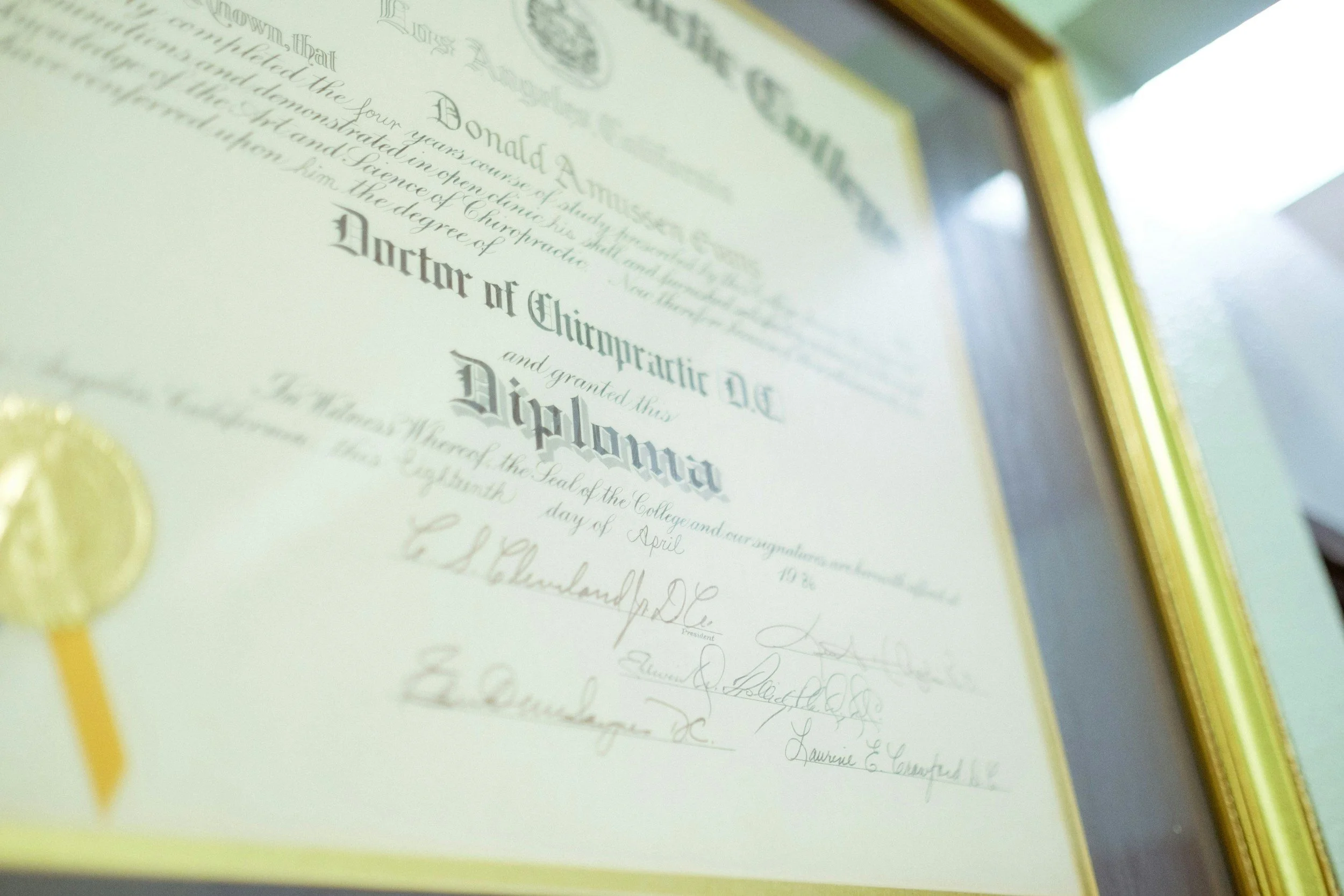
A police clearance on its own usually isn't enough. It typically needs to be certified by a local government authority, and then certified again by the embassy of the country you're moving to. In some cases, this certification is called an apostille.
There's a global agreement — the Hague Convention— where member countries agree to accept apostilled documents as officially valid without that double layer of embassy sign-off. China joined the Hague Convention in 2023, which is good news now. The catch, and I learned this one the hard way, is that documents apostilled before a country joined don't carry over. My wife's and my marriage certificate had been apostilled two years earlier for a Thailand visa, back when China wasn't yet part of the convention. China wouldn't accept it. We had to do it all again.
The same applies to your degree and your teaching certification — your actual authority to teach in your home country. I had to get fresh copies from my university and take them to the Australian embassy for authentication. If you're Australian, this is DFAT for the apostille and AFP for the police clearance — the equivalents will differ depending on your home country, but the principle is the same: check what your specific destination requires, and don't assume an older document still counts.
On top of all this, expect a health check declaration as a standard requirement — usually done once you land, but it's still one more line on the list your school will send you.
The Move Itself: Notice, Shipping, and a Long Wait
Once the documentation is moving, the logistics of actually leaving start stacking up. Notify your landlord. Work out whether you're breaking your lease, and if there's a cost attached to leaving early.
Shipping is its own headache. Check whether your current employer or your new one is covering it, and get that confirmed before you pack a single box — because here's the part that catches people out: your shipment may arrive in the new country before your visa does, and you often can't collect it until the visa is approved. In my case, the China visa is going to take a while, so anything we ship won't be accessible for some time after we land. We're handling that by taking as much as we can carry with us on a four-week stop in Australia first, so the essentials travel with us rather than sitting in a warehouse.
Accommodation You Haven't Seen
Will the school provide housing, or a housing allowance? Will they connect you with a real estate agent before you arrive?
We're moving into on-campus teacher housing initially while we look for something permanent nearby. We've been in contact with an agent who keeps sending photos and video, with the gentle pressure that waiting too long means fewer options once the new intake of teachers arrives. We've decided to wait anyway. I'm not signing a lease on a home I haven't walked through, no matter how convincing the video tour looks.
Flights: Know Who's Paying
Find out early who covers your flights, and whether you book and get reimbursed or the school books directly. For me, the standard structure includes a return flight to my home country — Brisbane, in my case — at the end of the contract, with the new school reimbursing the flight from there to the new posting. We're actually flying into Hong Kong first, where the school will meet us and take us across the border.
VPNs, Banking, and Going Cashless
If you're heading somewhere with internet restrictions — China being the obvious example — sort your VPN out before you arrive, not after. I've already been using one for streaming sport, so I'm covered. My wife will need to add herself to the account.
You can't open a local bank account until your visa is approved, so you'll need a functioning debit or credit card from home to get you through the early weeks. Many destinations get a small cash allowance on arrival to bridge the gap, but plan for a card as backup. And if you're heading somewhere genuinely cashless — which much of urban China now is — you'll want to get set up with the local digital payment systems (Alipay or WeChat Pay, in my case) fairly early. I'm also setting up a Wise account for moving money across currencies, which I'd recommend looking into regardless of where you're headed.
The SIM Card Problem I Finally Solved
Here's a small one that took me years to fix properly. Between changing countries and the constant cross-border travel that comes with school holidays and trips throughout the year, I got sick of losing physical SIM cards and hunting one down every time I landed somewhere new.
I've switched to an eSIM, and the one I've been using is Orbit Mobile. It's been genuinely good — easy to set up, one of the cheaper options I've come across, and one less thing to think about on arrival day. If you want to try it, I've got a 10% discount code — FOOTLOOSE10 — and full disclosure, I do get a small commission if you use it. If you haven't made the jump to eSIM yet, it's worth doing before your next move, abroad or otherwise.
Arrival and Orientation
Try to land at least a couple of days before your first day at work, so you've got time to acclimatise and get your bearings. My new school runs a long orientation — two weeks in total, part general settling-in (bank accounts, logistics) and part actual school orientation for new staff, before returning teachers merge in. I'm planning to use some of the gap to travel a little, including a trip across to Hong Kong to catch up with old friends from my time there.
The Real Lesson
I've probably forgotten a few things, and your list will look different depending on your destination. But the lesson underneath all of it is the same: start early, and get ahead of the documentation specifically — because the part that sounds simple on paper ("get a police check, get it certified") is exactly the part that can quietly eat your entire summer if you let it.
If you're even considering this move, don't wait until you have the job offer to start sorting out the things you can control. Get your paperwork in order now. Future you, sitting in a hotel room waiting for a visa, will thank you for it.
Related posts: How To Get an International Teaching Job
11 Questions To Ask Before You Teach Internationally (Be Honest)