
The Speech I Never Got to Give
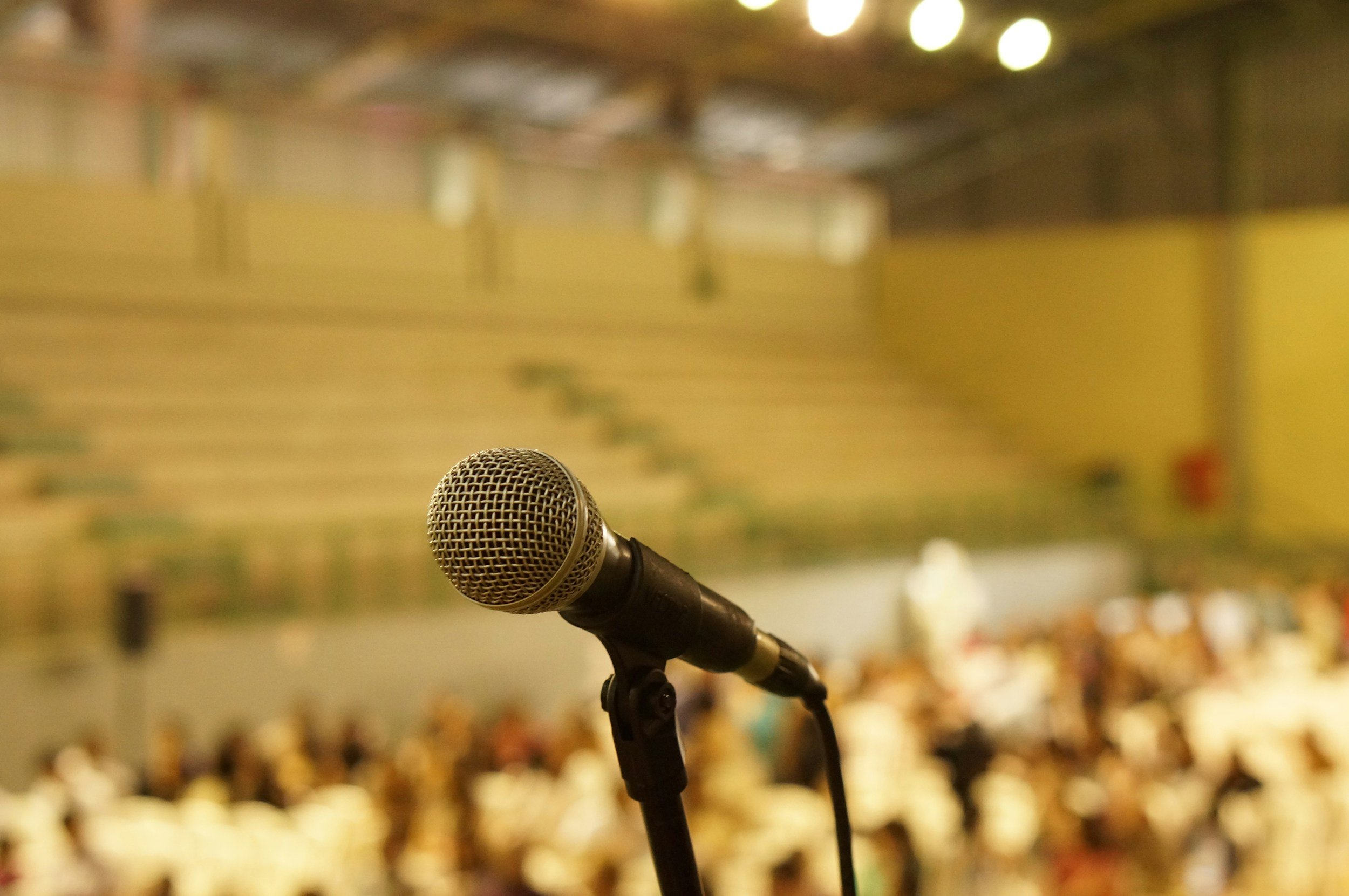
I have a complicated relationship with public speaking. I always have. Put me in front of a camera, fine. Ask me to run a workshop, no problem. But stand me up at a podium in front of parents, colleagues, and a couple of hundred graduating students, and something shifts. Something that feels uncomfortably close to panic.
For years, I managed this by simply not doing it. When graduation season came around, I made myself useful in other ways. Logistics. Sorting out the seating plan. Anything that kept me off the stage and behind the scenes. It wasn't cowardice, I told myself. It was self-awareness.
Last year, I was asked to give the graduation speech.
I said no. Politely, of course. I had reasons. Good ones, probably. And the moment passed, someone else did it beautifully, and I went home feeling — not quite relieved. More like I'd quietly sidled past something I should have walked through.
This year, I decided things would be different. Months before graduation, I made a private commitment: if they asked me again, I would say yes. And because I was fairly sure they would ask — I wrote the speech. The whole thing. I spent time on it. I thought about what I actually wanted to say to a room full of young people finishing one chapter and starting another. I edited it. I read it out loud to myself in my apartment. I was ready.
Graduation came and went. They didn't ask me.
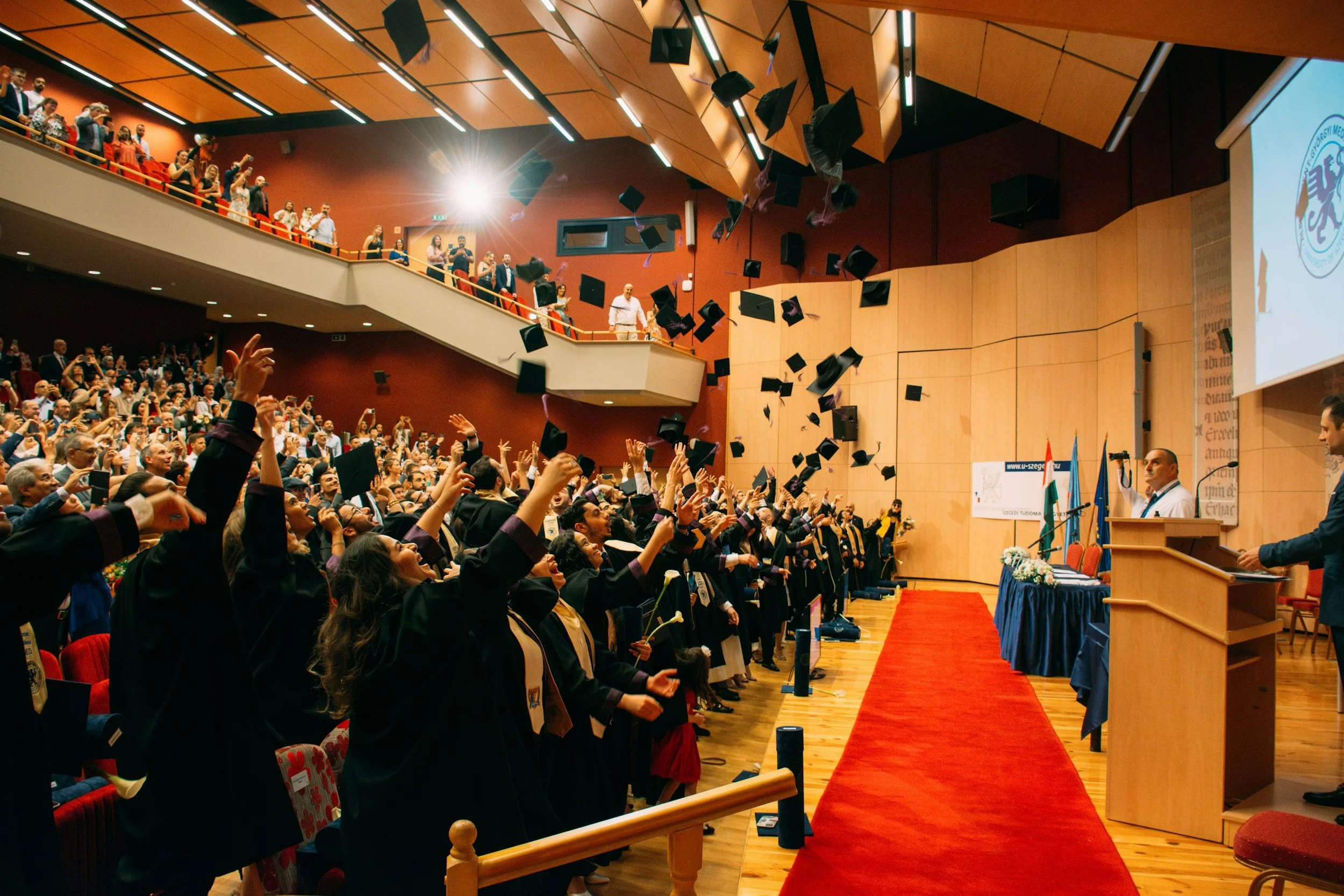
I won't pretend I wasn't disappointed — because I genuinely was, and that surprised me. The version of me from two years ago would have been relieved. This version of me had prepared, had shifted something internally, and then found there was no moment to step into. The opportunity I had quietly dreaded had become the opportunity I was quietly hoping for. And it didn't come.
Here's what I keep coming back to, though. The speech still exists. The shift still happened. Whatever changed in me when I decided to say yes — that didn't evaporate just because nobody asked.
So I did something with it. I sat down, talked through the whole story on camera — the years of avoiding, the secret preparation, the anticlimax of not being called — and then I read the speech. All of it. To nobody in particular, and to anyone who wanted to listen. It became a video on this channel, which felt like a strange and fitting resolution: the thing I'd written for a room full of people ended up reaching more people than it ever would have from a school stage.
I think about this a lot when I talk to people who want to teach internationally but are waiting for the right moment. Not just in terms of the job search, but in everything that surrounds it — the interview they're nervous to take, the school that feels slightly out of reach, the idea of starting something like a blog or a channel to document the journey before they even feel qualified to speak about it. The waiting is understandable. But the opportunity tends not to announce itself well in advance. It arrives, and you either have the speech ready or you don't.
Write it anyway. Say yes before you're asked. The moment might not come when you expect it — but when it does, you'll already be standing at the podium.
